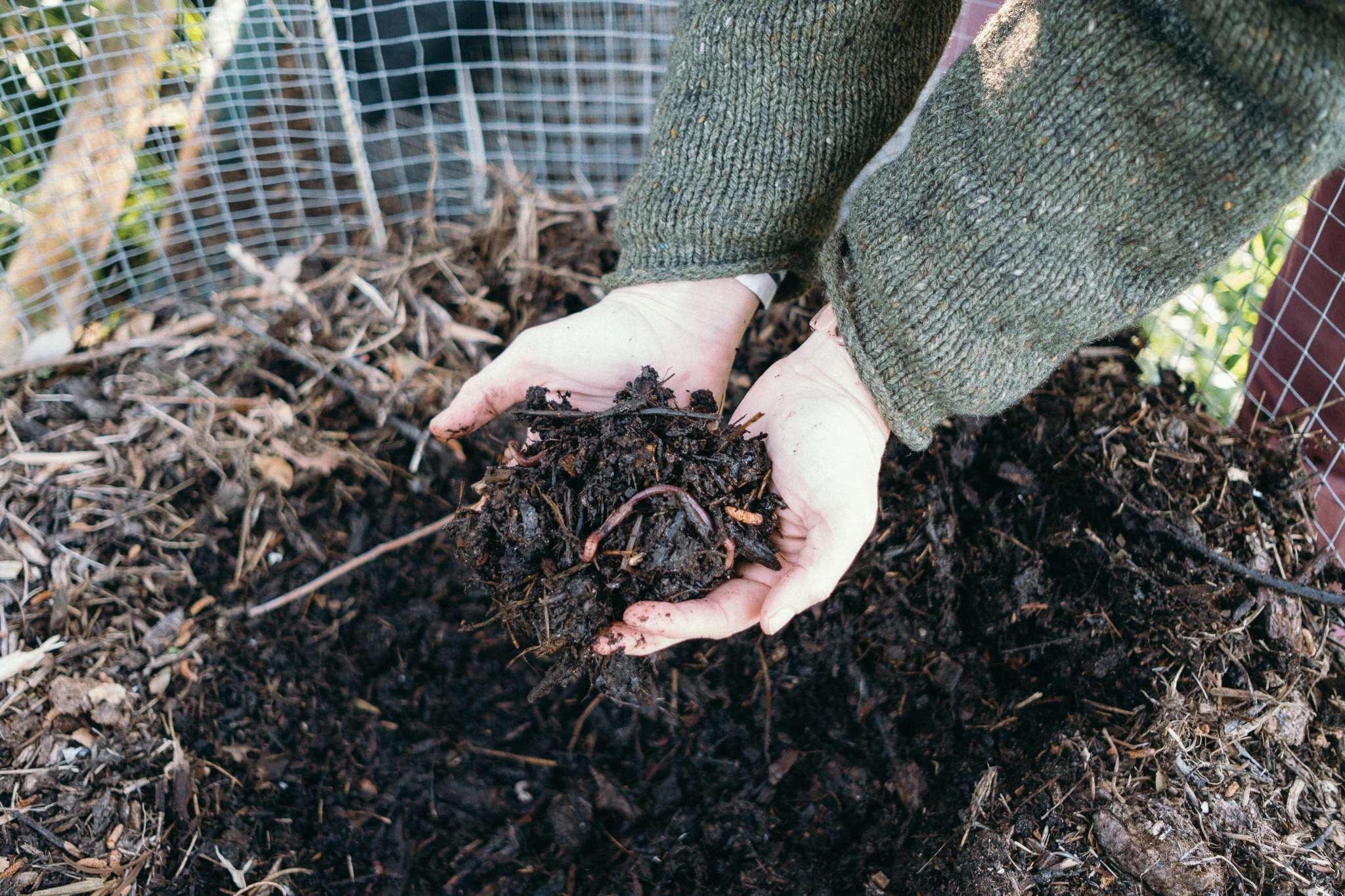
Laughing Pūkeko is about far more than growing organic vegetables. It is an expression of Jamie Tucker’s values, a contribution to her local food system, and a way of life for her and her partner Craig in their new home of North Canterbury.
Jamie is a first-generation farmer whose connection with food came later in life.
“I grew up in America and was really disconnected from my food. When I discovered organics, it awakened an innate need in me to understand everything about food. The soil, the farmer and how flavours come together on the plate.”
That discovery was through studying winemaking and viticulture. After almost a decade in winemaking, Jamie side-stepped into organic food production at Lincoln University and established the first, very small version of Laughing Pūkeko through the Biological Husbandry Unit’s Stepping Stones programme. Beginning during COVID, she initially attended markets before moving into home vegetable boxes.
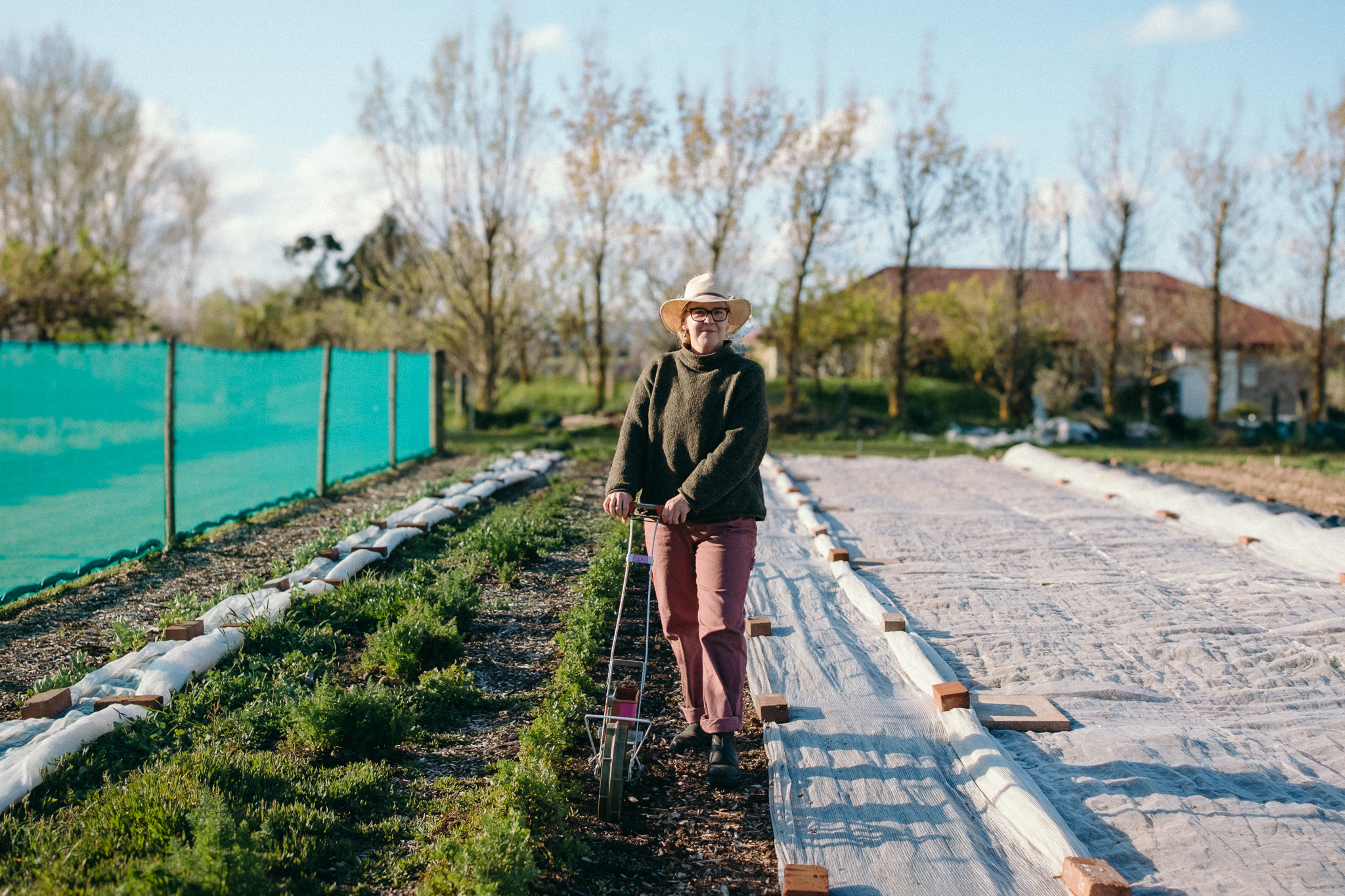 Jamie sowing seeds in her organic market garden
Almost two years ago, Jamie and Craig began searching for their first home and small farm around Canterbury. Affordability brought them north, but the soil, climate and community convinced them to stay.
“We inherited the previous owners’ love for the land,” Jamie says. That legacy included more than 80 fruit trees. The couple are now making the property their own, investing in irrigation, solar power and electric tools and machinery, while also planning for the next 20, 30 and even 50 years.
Laughing Pūkeko is a seasonal, organically managed market garden selling through the Amberley Farmers Market from November until mid-autumn. Everything is grown on a human scale, meaning everything is done by hand.
“There are no tractors. Everything is done with my body and hand tools,” Jamie says.
For her, organic farming is “way more than avoiding synthetic sprays”. It encompasses things like soil health, biodiversity and community wellbeing.
Jamie is also exploring organic egg production, beekeeping and regenerative agritourism, where visitors could actively contribute to restoration projects on the farm. Underpinning it all is resilience, not just self-sufficiency.
“Self-sufficiency puts a lot of pressure on one family. I much prefer community sufficiency. I’m never going to grow olives and I’m never going to grow beef. You need your community for that.”
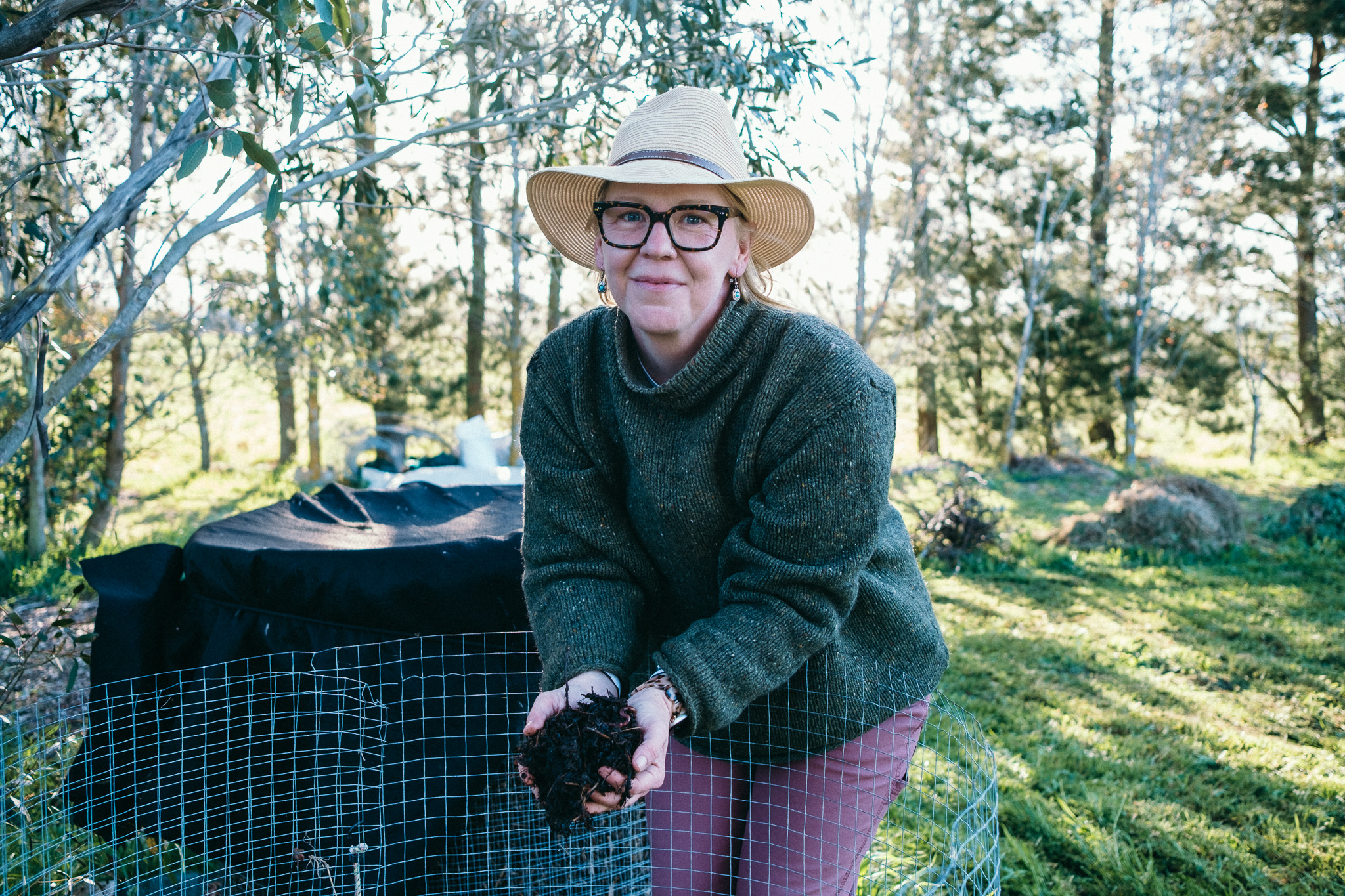
Success would mean a financially sustainable farm, but never at the expense of happiness or the other things she and Craig value.
“It’s building a life together where we appreciate the little things and the big things.”
For Jamie, being Proud to be Here is found in those little things.
“It’s waking up exhilarated with life. It’s looking out the window and knowing people are restoring the wetland. It’s having a mate down the road you can call for eggs. It’s a friendly face at Brew Moon who knows you by name. It’s all those little things that add up and make me proud to be here.”
To learn more about Laughing Pukeko, click here.